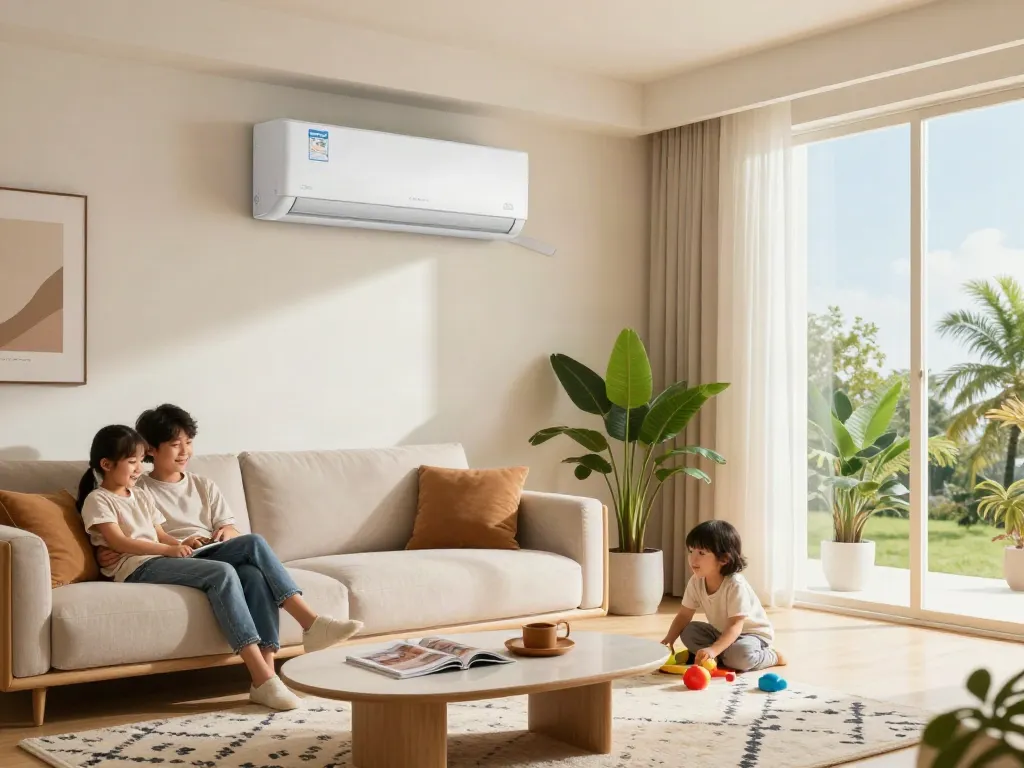
Understanding Split AC Units
As the demand for efficient and effective cooling solutions continues to rise, many homeowners are turning to split ac unit as a viable alternative to traditional air conditioning systems. These versatile units not only provide enhanced comfort during sweltering summer months but also promote energy efficiency—making them an increasingly popular choice among modern consumers. In this comprehensive guide, we will explore what split AC units are, how they operate, the benefits they offer, and critical elements to consider for installation and maintenance.
What Is a Split AC Unit?
A split AC unit, also known as a ductless mini-split system, consists of two main components: an outdoor condenser and one or more indoor air handling units. Unlike traditional central air conditioning systems that require ductwork, split units operate independently, allowing for targeted cooling in specific areas of a home or commercial space. This design not only enhances energy efficiency but also facilitates easier installation.
How Split AC Units Work
Split AC units operate on the principle of refrigerant circulation. The outdoor unit absorbs heat from the air inside the building and expels it outside, while the indoor unit draws in air, cools it with the refrigerant, and redistributes it throughout the room. This process is facilitated by a compressor that pressurizes the refrigerant, enabling it to cycle effectively between the two units. The result is a comfortable indoor environment without the need for extensive ductwork.
Benefits of Using Split AC Units
- Energy Efficiency: Split AC units are designed to be highly energy-efficient, often using less power than traditional units.
- Customizable Comfort: With multiple indoor units, homeowners can set different temperatures for different rooms, allowing for personalized comfort.
- Space-Saving Design: These units are compact and can be installed in various locations without taking up much space.
- Reduced Noise: Split AC units are typically quieter than window units, enhancing the overall comfort of your space.
- Improved Air Quality: Many units come with advanced filtration systems, improving indoor air quality by removing dust, allergens, and other pollutants.
Common Misconceptions About Split AC Units
Despite their growing popularity, several misconceptions about split AC units persist. Understanding these myths can help homeowners make informed decisions regarding their cooling options.
Cost vs. Efficiency in Split AC Units
One common misconception is that split AC units are expensive to install and maintain. While the upfront costs can be higher than traditional systems, their energy efficiency often leads to lower utility bills over time, making them a cost-effective solution in the long run.
Noise Levels: What You Should Expect
Another myth is that split AC units are noisy. In reality, the outdoor compressor operates at lower decibels than many window units, and the indoor units can be quite silent, offering a more serene environment.
Split AC Unit Maintenance Myths
Some homeowners believe that split AC units require extensive maintenance. While regular upkeep is necessary (like cleaning filters and checking refrigerant levels), the maintenance needs are typically less demanding compared to traditional systems.
Installation Considerations for Split AC Units
Installing a split AC unit requires careful planning and consideration. Here are essential factors to keep in mind during the installation process.
Choosing the Right Location for Your Unit
Proper placement of both the outdoor and indoor units is crucial for optimal performance. The outdoor unit should have adequate airflow and be placed away from obstructions such as trees and tall buildings. The indoor units should be positioned to effectively circulate air throughout the room.
Hiring a Professional vs. DIY Installation
While many homeowners may consider a DIY approach to installing a split AC unit, it is often advisable to hire a licensed HVAC professional. The installation involves electrical work and refrigerant handling, which require specialized knowledge to ensure safety and compliance with local regulations.
Installation Costs and Budgeting
Installation costs for split AC units can vary based on factors such as the number of indoor units, the complexity of the installation, and regional labor rates. Homeowners should budget for these costs and consider obtaining multiple quotes from professionals to ensure they receive a fair price.
Performance and Efficiency Metrics
Understanding performance metrics is essential to gauge the effectiveness of a split AC unit. Key metrics to consider include BTUs, energy efficiency ratings, and monitoring strategies.
Understanding BTUs and Cooling Capacity
BTUs (British Thermal Units) measure the cooling capacity of an AC unit. A higher BTU rating indicates a more powerful unit capable of cooling larger spaces. When selecting a split AC unit, it’s vital to choose one that aligns with the size of the area you want to cool.
Energy Efficiency Ratings Explained
Energy efficiency ratings, such as SEER (Seasonal Energy Efficiency Ratio) and EER (Energy Efficiency Ratio), indicate how effectively the unit converts electricity into cooling. A higher SEER or EER rating indicates better efficiency, leading to lower energy costs.
Monitoring Performance for Optimal Use
Regularly monitoring the performance of your split AC unit can help identify any issues early. Homeowners should keep an eye on cooling effectiveness and energy bills; significant changes may indicate maintenance is required.
Future Trends in Split AC Technology
The HVAC industry is continually evolving, with innovations aimed at improving efficiency and user experience. Here’s what you can expect to see in the coming years.
Innovations in Energy Efficiency for 2026
Advancements in inverter technology and smart controls are set to enhance the energy efficiency of split AC units further. These innovations allow for more precise temperature control and reduced energy consumption, catering to eco-conscious consumers.
Smart Home Integration with Split AC Units
As smart home technology gains traction, many manufacturers are developing split AC units that can be integrated with home automation systems. This allows users to control their cooling systems via smartphones or voice-activated devices for added convenience.
Environmental Impact and Sustainable Options
The environmental impact of split AC units is becoming increasingly important. In the future, we can expect to see more models that utilize eco-friendly refrigerants and boast superior energy efficiency ratings to reduce their carbon footprint.
What are the benefits of a split AC unit?
Split AC units offer numerous benefits, including energy efficiency, customizable temperature control, and improved air quality, making them an excellent choice for modern homes.
How much does it cost to install a split AC unit?
Installation costs vary widely based on factors such as the complexity of the setup and location, but homeowners should anticipate costs ranging from $3,000 to $7,000.
What maintenance do split AC units require?
Regular maintenance includes cleaning the filters, checking refrigerant levels, and ensuring that both indoor and outdoor components are clear of debris.
Are split AC units noisy?
Generally, split AC units operate quietly, with noise levels often lower than traditional window units, providing a more comfortable environment.
What are the energy savings with a split AC unit?
Many homeowners report energy savings of 30% or more compared to traditional systems due to the efficient design and targeted cooling capabilities of split AC units.