8 Overlooked Oxygen Tank Features Worth Knowing for Effective Health in 2026
Understanding Oxygen Tanks: Essential Components
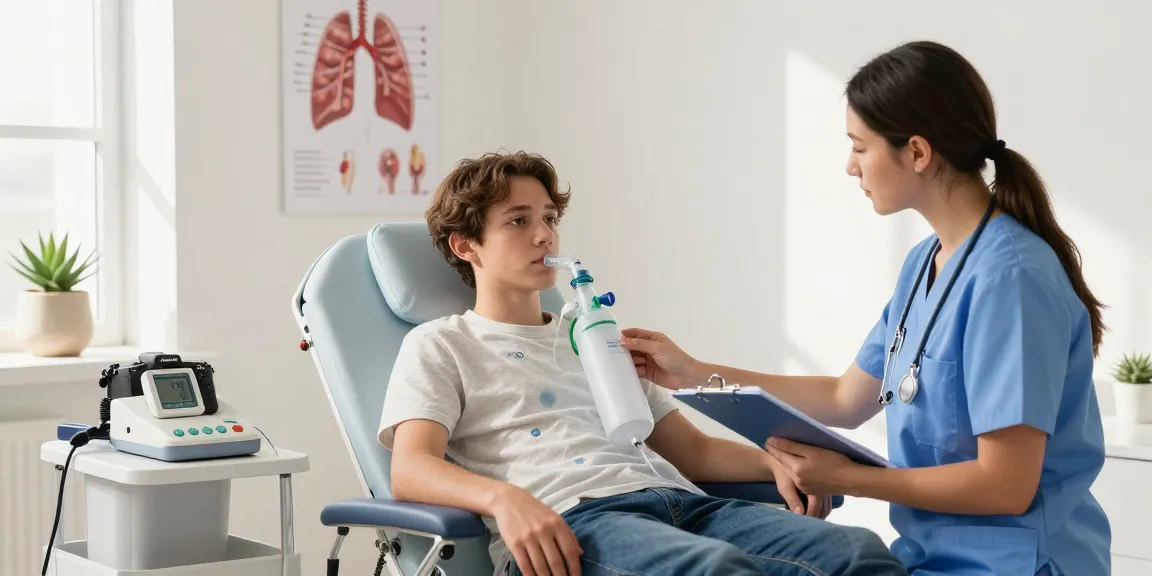
Oxygen tanks are vital medical devices used for delivering supplemental oxygen to individuals with respiratory conditions or those recovering from surgery. These tanks can significantly enhance the quality of life for patients, allowing them to engage more actively with their daily activities. Understanding the essential components and functions of an Oxygen Tank is critical for both patients and caregivers alike.
What is an Oxygen Tank?
An oxygen tank is a high-pressure container that stores oxygen in its gaseous form. These tanks are designed to provide a steady flow of oxygen to a patient through various devices, such as masks or nasal cannulas. Oxygen therapy is often prescribed for conditions like Chronic Obstructive Pulmonary Disease (COPD), asthma, and other respiratory illnesses, emphasizing the importance of understanding how these tanks work.
Types of Oxygen Tanks Available
Oxygen tanks come in several types, each with distinct characteristics tailored to different needs:
- Portable Tanks: Ideal for patients on the go, these lightweight tanks allow users to maintain their lifestyle while receiving necessary oxygen therapy.
- Stationary Tanks: Larger and more robust, these tanks are usually found in homes or medical facilities and are designed for prolonged use.
- Liquid Oxygen Tanks: These tanks store oxygen in a liquid state, providing a larger supply in a smaller unit, which is advantageous for mobility.
Key Features of Oxygen Tanks
When selecting an oxygen tank, several key features should be considered:
- Size and Capacity: Tanks vary in size, typically measured in liters, which affects how long the tank will last at a given flow rate.
- Regulator Type: This feature controls the flow of oxygen; some regulators are more sophisticated, offering precise adjustments.
- Portability: Consider if the tank can be easily transported, especially for active individuals needing oxygen while traveling.
How to Use an Oxygen Tank Safely and Effectively
Ensuring that an oxygen tank is used safely and effectively is paramount for the health and safety of the user. The following guidelines should be adhered to for optimal use.
Fitting and Usage Guidelines
Before using an oxygen tank, it is essential to have a proper fitting of the delivery device, whether it be a mask or nasal cannula. The device should fit snugly to avoid leaks while remaining comfortable. Regular checks of the connections and equipment should also be part of the routine.
Common Mistakes to Avoid with Oxygen Tanks
Some frequent pitfalls include:
- Failing to check the tank pressure before use, leading to unexpected shortages during critical times.
- Using the tank in environments with open flames or sparks, which poses a fire hazard.
- Neglecting to secure the tank properly during transport, which could lead to damage or injury.
Best Practices for Oxygen Therapy at Home
Home oxygen therapy requires careful planning and adherence to best practices:
- Keep the oxygen tank in a well-ventilated area away from heat sources.
- Regularly maintain and check the equipment for leaks or malfunctions.
- Educate family members about the use of the oxygen tank and emergency procedures.
Innovative Technologies in Oxygen Tanks for 2026
The landscape of oxygen therapy is rapidly evolving, with innovations aiming to enhance patient experience and safety.
Emerging Features and Benefits
Recent developments include:
- Lightweight Materials: New manufacturing processes enable lighter tanks, making them easier to carry.
- Longer Lasting Tanks: Advances in tank design allow for extended usage periods without compromising on oxygen purity.
- Smart Technology: Integration of smart sensors to monitor oxygen levels can help users manage their therapy more effectively.
Smart Oxygen Tanks: Connectivity and Monitoring
Smart oxygen tanks are now emerging that enable patients to connect to mobile applications for real-time monitoring of oxygen levels and usage patterns. This connectivity allows for better compliance with treatment plans and more informed discussions with healthcare providers.
Future Trends in Oxygen Therapy Equipment
Looking forward, we can expect:
- The adoption of AI-driven algorithms for personalizing therapy based on patient data.
- A greater range of portable solutions to accommodate an active lifestyle.
- Enhanced safety features, such as automatic shut-off systems that mitigate the risk of leaks.
Maintaining Your Oxygen Tank: A Step-by-Step Guide
Proper maintenance of an oxygen tank is essential for ensuring its longevity and effectiveness.
Cleaning and Care of Oxygen Tanks
Regular cleaning is critical:
- Wipe down the external surfaces with a damp cloth regularly to remove dust and residues.
- Use approved disinfectants on delivery devices and masks, following manufacturer guidelines.
When to Replace Your Tank
It’s vital to replace your oxygen tank:
- When the pressure gauge indicates a low level, typically below 500 psi.
- If the tank shows physical damage, such as dents or rust.
- When the expiration date suggested by the manufacturer approaches.
Safety Checks and Maintenance Routine
Establishing a consistent maintenance routine will help ensure safety:
- Check valves and regulators monthly to ensure proper functionality.
- Perform a visual inspection of the tank for any signs of damage.
- Keep a log of usage and maintenance for reference.
Frequently Asked Questions about Oxygen Tanks
Many patients and caregivers have questions about the use and management of oxygen tanks. Here are some common queries:
What should I consider before using an oxygen tank?
Consider your health condition, oxygen requirements, and lifestyle. Consulting with a healthcare provider will give you personalized insights.
How do I know if I need oxygen therapy?
Symptoms such as persistent shortness of breath, fatigue, or low blood oxygen levels as diagnosed by a healthcare professional are indicators for oxygen therapy.
Can I travel with an oxygen tank?
Yes, but you must plan ahead. Check airline regulations and ensure your portable tank is approved for air travel.
What are the side effects of using an oxygen tank?
While oxygen therapy is generally safe, some may experience dryness in the nasal passages or headaches. It’s important to monitor any adverse effects and consult a healthcare provider.
How can I choose the right oxygen tank for my needs?
Consulting with healthcare professionals will help you assess your individual needs based on your oxygen requirements, lifestyle, and any mobility considerations.