How to Choose the Right Residential General Contractor Toronto for Your Renovation Needs

Understanding the Role of a Residential General Contractor
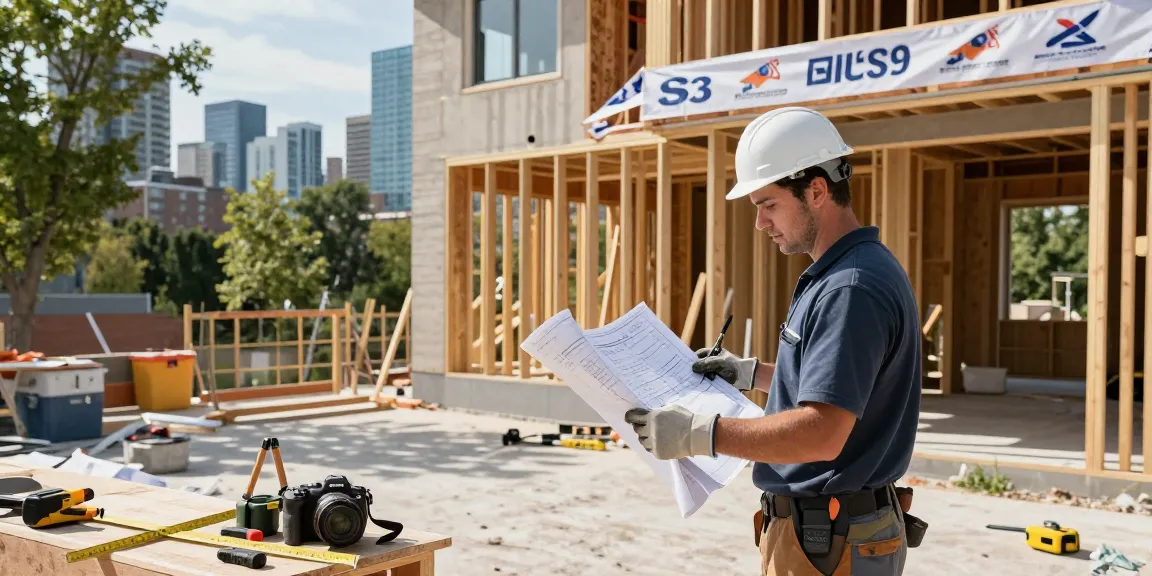
In the dynamic world of home renovation and construction, the importance of hiring a qualified residential general contractor cannot be overstated. In Toronto, where the real estate market is ever-evolving, finding the right contractor can be the difference between a dream home and a renovation nightmare. A residential general contractor is not merely a project manager; they are the orchestrators of the entire renovation process, responsible for ensuring that projects are completed on time, within budget, and to the highest quality standards. When exploring options, Residential general contractor toronto provides comprehensive insights into this vital role.
What Does a Residential General Contractor Do?
A residential general contractor takes charge of various aspects of home construction or renovation projects. Their responsibilities typically include:
- Project Management: Overseeing the coordination of subcontractors and suppliers.
- Budgeting: Estimating and controlling costs associated with the project.
- Permitting: Managing necessary permits and inspections required by local authorities.
- Quality Control: Ensuring work meets specific standards and complies with applicable codes.
- Timeline Management: Creating and adhering to a realistic project schedule.
Essentially, the contractor serves as the central point of contact for all parties involved, facilitating communication and addressing any issues that arise during the project lifecycle.
Importance of Hiring a Qualified Residential General Contractor Toronto
Hiring a qualified residential general contractor in Toronto ensures that your project benefits from professional expertise. The city’s diverse architecture and stringent building codes mean that a qualified contractor understands local regulations and can navigate potential obstacles effectively. Moreover, experienced contractors bring invaluable insights into design trends, sustainable building practices, and high-quality materials that can enhance your home’s value.
Common Misconceptions About General Contractors
Many homeowners fall prey to misconceptions about the role of general contractors, leading to unrealistic expectations. Here are a few common myths:
- All contractors are the same: In reality, contractors may specialize in different areas such as plumbing, electrical work, or design, and their expertise can vary widely.
- Hiring the cheapest option saves money: This can lead to poor workmanship and increased costs over time due to mistakes or incomplete work.
- General contractors do not communicate well: A good contractor prioritizes communication and transparency, keeping homeowners informed throughout the process.
Evaluating Potential Contractors
When selecting a residential general contractor, thorough evaluation is key to finding the right fit for your project. Property owners should look beyond just pricing and consider qualifications, experience, and compatibility.
Key Qualifications and Experience to Look For
Before hiring a contractor, assess the following qualifications:
- Licensing and Insurance: Ensure the contractor holds the necessary licenses and insurance, protecting you from liability and ensuring compliance with regulations.
- Experience: Look for a contractor with a proven track record in similar projects.
- Portfolio: A strong portfolio showcases the contractor’s style and quality of work, giving you an idea of what to expect.
- Reviews and Testimonials: Checking online reviews and speaking to past clients can provide insights into the contractor’s reliability.
Questions to Ask During the Initial Consultation
During your first meeting, ask questions that reveal the contractor’s suitability for your project:
- What is your approach to project management?
- How do you handle project delays or budget overruns?
- Can you provide references from previous clients?
- What is your estimated timeline for completion?
These inquiries can help you gauge their professionalism and compatibility with your needs.
Checking References and Previous Work
Always request references and follow up by contacting previous clients. Ask specific questions about their experience, including:
- Were deadlines met?
- Were there any issues during the project, and how were they resolved?
- How was the overall communication throughout the process?
Budgeting for Your Renovation Project
Setting a realistic budget is essential to your renovation project’s success. Consider all cost factors when planning financially.
Understanding Cost Factors Involved with General Contractors
The total cost of hiring a residential general contractor varies based on numerous factors, including:
- Project Scope: Larger projects will require a bigger budget.
- Labor Costs: Rates can vary significantly depending on the contractor and project complexity.
- Material Choices: The quality of materials directly influences costs; high-quality finishes will increase the budget.
- Permits and Fees: Local regulations may require specific permits that can add to expenses.
Setting a Realistic Budget for Your Renovation
To create a solid budget, start by determining your financial limits and project priorities. Here are steps to set a budget:
- Research the costs of similar projects to gain a baseline.
- Consult your chosen contractor for a detailed estimate.
- Factor in a contingency fund of 10-20% for unexpected expenses.
Tips for Managing Unexpected Expenses
Unexpected expenses can arise in any renovation project. Here are strategies to manage them effectively:
- Maintain Open Communication: Regular check-ins with your contractor can help identify potential issues early.
- Be Flexible: Being adaptable can help you navigate changes without significant stress.
- Review Contracts Carefully: Understand what is included in your contract to avoid hidden costs.
Effective Communication with Your Contractor
Clear communication is vital for a successful project. Establish expectations early to foster a positive working relationship.
Establishing Clear Expectations from the Start
Discussing project goals, timelines, and budgets upfront can help align both parties’ expectations. Be specific about what you want regarding design, materials, and project outcomes.
Regular Check-Ins and Progress Updates
Regular meetings to review project progress allow you to stay informed and address any concerns promptly. Establish a communication schedule that works for both you and the contractor.
Conflict Resolution Strategies
Despite best efforts, conflicts may arise during the project. Here are steps to resolve issues:
- Stay Calm: Approach conflicts professionally and respectfully.
- Document Everything: Keep records of communications and agreements.
- Seek Compromise: Aim for solutions that benefit both parties.
Trends in Residential Construction for 2026
Understanding emerging trends can enhance your renovation project’s relevance and sustainability.
Emerging Designs in Home Renovation
In 2026, expect to see a rise in sustainable design practices, including:
- Open floor plans that promote natural light.
- Multi-functional spaces that adapt to changing needs.
- Outdoor living spaces that extend the home’s usable area.
Innovative Materials and Techniques Used by Contractors
Innovation in materials and techniques is transforming residential construction. Some notable trends include:
- Use of eco-friendly materials that reduce the environmental impact.
- Smart home technology integration for enhanced security and convenience.
- 3D printing technology emerging in construction to reduce waste and costs.
Future-Proofing Your Renovation Investments
To ensure your renovation investments are sustainable over the long term, consider the following:
- Choose timeless designs that won’t go out of style.
- Invest in quality materials that will last for years.
- Incorporate energy-efficient solutions that provide long-term savings.
What Should Investors Know About General Contracting?
For real estate investors, understanding the role of general contractors is crucial for successful project execution. Consider:
- Building a reliable network of contractors for future projects.
- Understanding the local market to make informed decisions.
- Maintaining a keen awareness of construction trends and regulations.